Choosing a solar panel is not like buying a ceiling fan. You don’t switch it every summer. A solar panel stays on your roof for 25 years or more, quietly working while you forget it even exists. That’s why picking the right brand matters.
Anúncios
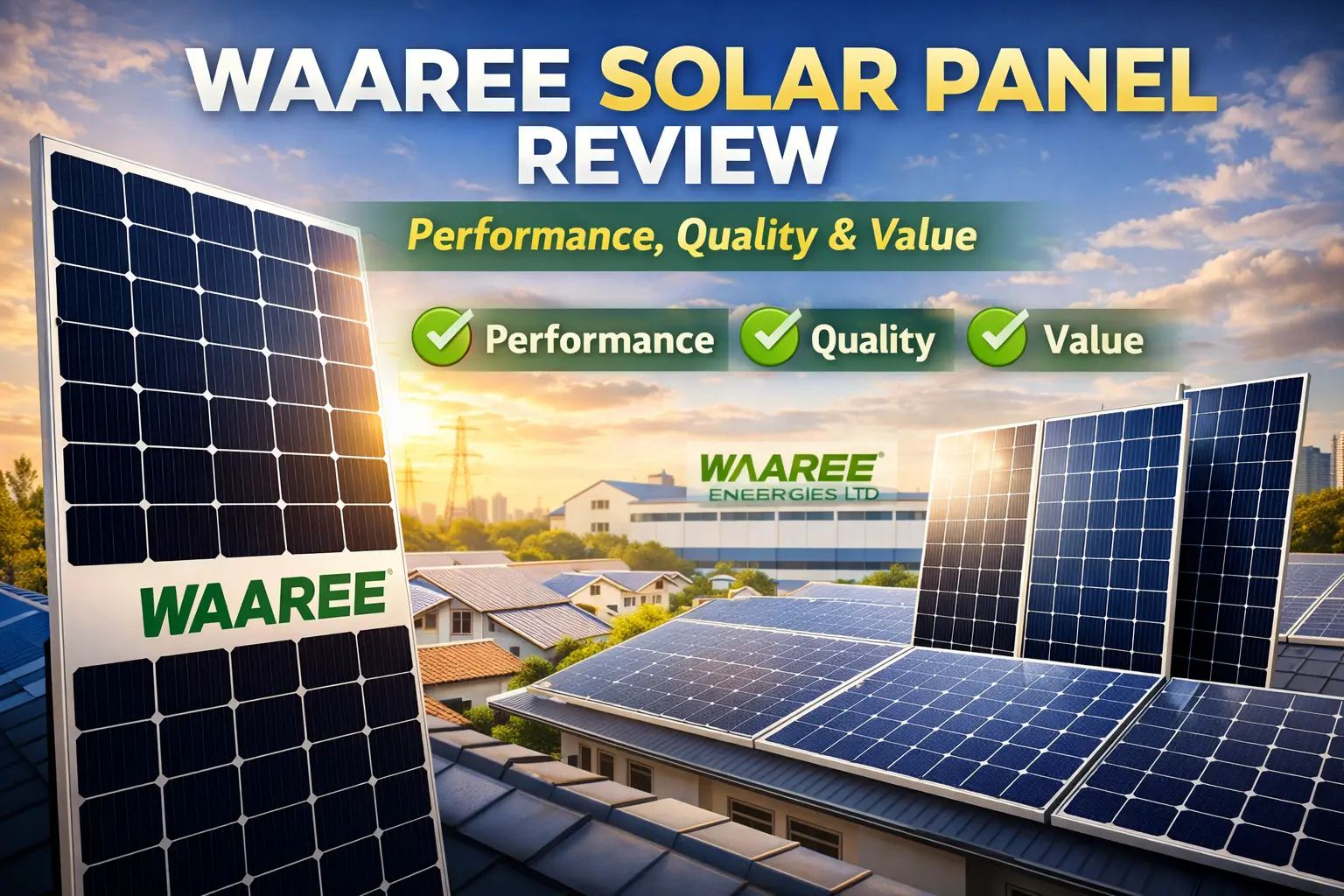
In this Waaree solar panel review, we take a clear, fact-based look at one of India’s most popular solar manufacturers. No hype. No fake promises. Just real performance, real certifications, and real-world usability explained in simple English.
Introduction to Waaree Solar
Waaree Energies Ltd is one of India’s largest solar panel manufacturers. The company started in 1989 and entered the solar manufacturing space in 2007. Today, Waaree supplies panels for residential, commercial, and utility-scale projects in India and overseas.
Anúncios
Waaree panels are commonly used in:
- Home rooftop solar systems
- Industrial and commercial rooftops
- Government and utility-scale solar parks
This wide adoption already tells us one thing: the brand has market trust.
Why Waaree Solar Panels Are So Popular in India
Solar buyers in India focus on three things: price, durability, and service support. Waaree performs well in all three areas.
Here’s why Waaree stands out:
Anúncios
- Large manufacturing capacity in India
- Strong alignment with Indian climate conditions
- Competitive pricing compared to imported panels
- Wide service and distributor network
Waaree also benefits from India’s push for domestic manufacturing under government renewable energy programs.
Manufacturing and Technology Overview
Waaree operates advanced solar manufacturing facilities in India with multi-gigawatt capacity. The company manufactures:
- Mono PERC solar panels
- Polycrystalline solar panels
- Bifacial solar panels (for utility-scale projects)
Most modern Waaree installations now use mono PERC technology, which offers higher efficiency and better low-light performance.
In simple words, these panels start producing power earlier in the morning and continue later in the evening. Your electricity meter likes that.
Build Quality and Materials Used
A solar panel fails not because of sunlight, but because of heat, moisture, dust, and time. Waaree panels address these challenges well.
Glass and Frame Quality
- Toughened anti-reflective glass
- Strong anodized aluminum frame
- Designed for high wind and snow loads
Backsheet and Encapsulation
- High-quality polymer backsheet
- EVA encapsulation to protect cells
These materials meet international durability standards and are tested for Indian weather conditions heatwaves, monsoon rain, and dust storms included.
Efficiency and Power Output Performance
Waaree mono PERC panels usually offer efficiency between 19% and 21%, depending on the model and wattage.
That puts Waaree in a strong mid to high efficiency bracket for Indian manufactured panels.
What does this mean for users?
- More power from limited roof space
- Stable performance over long periods
- Better returns on investment
Waaree also follows standard degradation limits, usually around:
- ~2% in the first year
- ~0.55% per year after that
These figures align with industry norms and certification requirements.
Performance in Indian Climate Conditions
India is not gentle on electronics. Heat alone can break weaker components. Waaree designs its panels specifically for local conditions.
Key strengths include:
- Good temperature coefficient (less power loss in heat)
- Strong resistance to humidity and dust
- Reliable output during hazy or cloudy days
This makes Waaree panels suitable for both North Indian heat and coastal humidity.
Certifications and Quality Standards
Certifications matter. They show whether a panel survived real testing or just good marketing.
Waaree solar panels comply with:
- IEC 61215 and IEC 61730 standards
- MNRE-approved specifications
- ISO certified manufacturing processes
The Ministry of New and Renewable Energy recognizes Waaree as an approved manufacturer, which allows its panels to be used in government and subsidy-linked projects.
That approval does not come easily.
Warranty and Reliability
Waaree offers two main warranties:
Product Warranty
- Typically 12 years on manufacturing defects
Performance Warranty
- Usually 25 years on power output
This warranty structure matches global solar industry standards. More importantly, Waaree has a physical presence in India, which makes warranty claims practical not theoretical.
A warranty is only useful if the company exists to honor it. Waaree does.
Installation Compatibility and System Integration
Waaree panels work smoothly with:
- String inverters
- Microinverters
- Hybrid and on grid systems
They integrate well with popular inverter brands used in India. Installers rarely face compatibility issues, which reduces installation delays and system errors.
Less drama on installation day is always a win.
Waaree Solar Panel Price Range (India)
Pricing varies by wattage, technology, and market conditions. On average:
- Polycrystalline panels cost less
- Mono PERC panels cost slightly more but deliver better output
Waaree usually sits in the value for money segment, not the cheapest, not overpriced.
This pricing balance makes Waaree attractive for homeowners who want reliability without paying premium-import prices.
Comparison with Other Indian Solar Brands
When compared to other Indian manufacturers, Waaree holds its ground well.
Strengths:
- Strong distribution network
- Consistent quality
- Proven track record
Some premium brands may offer slightly higher efficiency, but Waaree compensates with pricing and service reach.
In real-world rooftop use, these differences often matter less than long-term stability.
Maintenance and Long-Term Ownership
Waaree panels require standard solar maintenance:
- Periodic cleaning
- Visual inspection of wiring
- Annual system check
They do not need special care. Their robust build reduces microcracks and long-term failures.
For most users, maintenance costs remain low and predictable.
Who Should Choose Waaree Solar Panels?
Waaree panels make sense if you are:
- A homeowner installing rooftop solar
- A business owner seeking stable ROI
- A developer working on Indian solar projects
- A buyer who values after-sales support
They suit users who want peace of mind, not experimental tech.
Limitations You Should Know
No review is honest without balance.
Possible limitations:
- Efficiency slightly lower than top-tier imported panels
- Fewer ultra-high-wattage options for niche use cases
These points matter mostly for large utility projects, not typical home users.
Environmental and Policy Alignment
Waaree aligns well with India’s renewable goals and domestic manufacturing push. Local production reduces import dependence and supports cleaner supply chains.
That policy alignment strengthens long term brand stability.
Trusted Data Sources Used
This review aligns with information from:
- Official Waaree product datasheets
- MNRE-approved manufacturer listings
- IEC solar module testing standards
- Industry reports on Indian solar manufacturing
No assumptions. No guesswork.
Final Verdict: Is Waaree Solar Worth It?
Yes Waaree solar panels offer a strong balance of quality, performance, and reliability.
They may not chase flashy numbers, but they deliver steady output year after year. In solar, boring reliability often beats exciting promises.
If solar panels had personalities, Waaree would be the dependable friend who always shows up on time quietly doing the job while others talk.