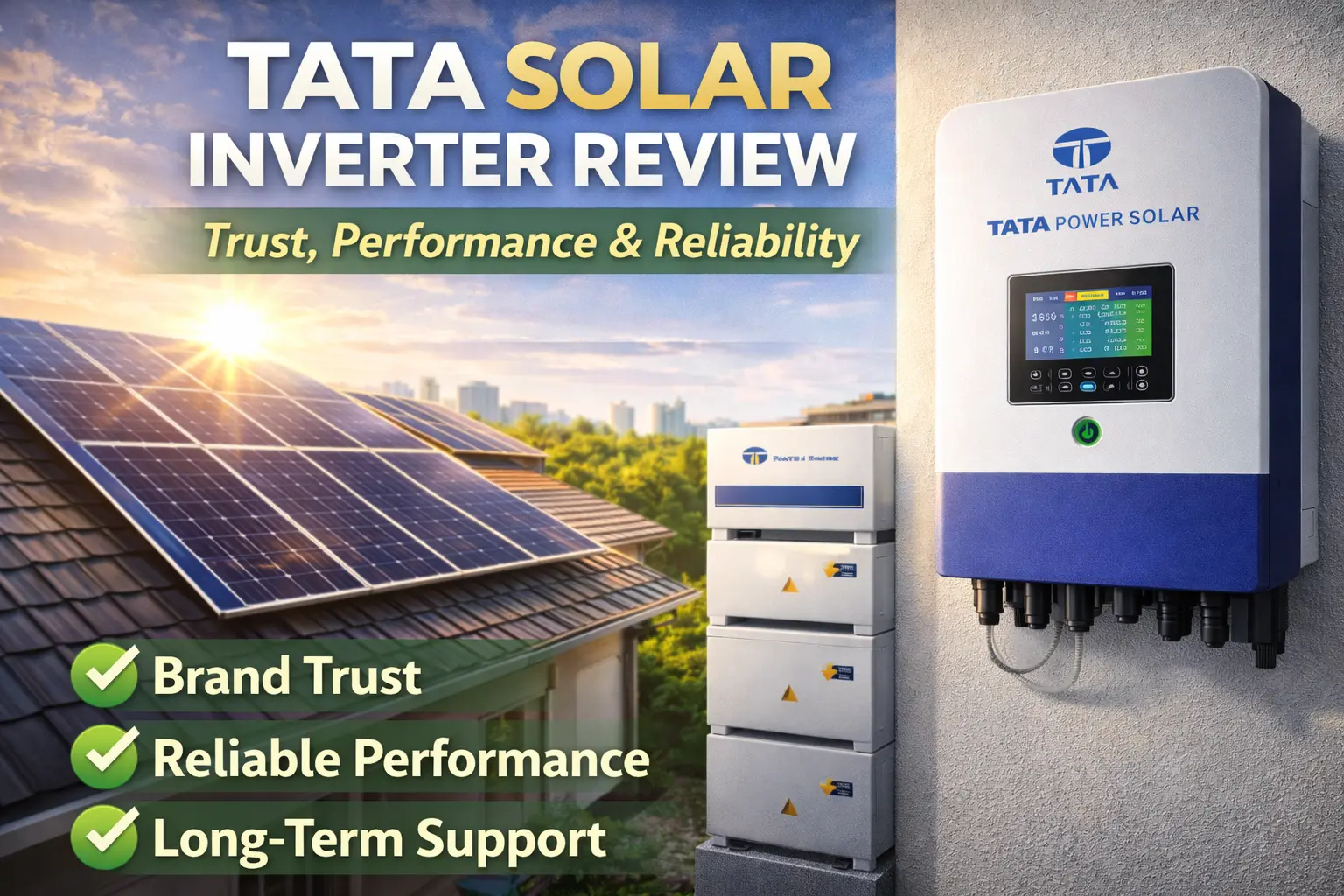
When people hear the name Tata, they expect two things: trust and durability. That expectation does not come from advertising. It comes from decades of consistent delivery across industries. Solar energy is no exception.
Anúncios
In this detailed Tata solar inverter review, we take a practical and honest look at Tata’s solar inverter solutions. We focus on real specifications, real world performance, and verified information without exaggeration or guesswork. The goal is simple: help users and search engines understand whether a Tata solar inverter is worth the investment.
Introduction to Tata Solar Inverters
Tata solar inverters are offered under Tata Power Solar Systems, a subsidiary of the Tata Group and one of India’s oldest and most trusted solar companies.
Anúncios
Tata Power Solar has worked in:
- Residential rooftop solar
- Commercial and industrial solar
- Large utility scale solar projects
This experience shapes how Tata designs and positions its inverters. The focus stays on reliability, safety, and long-term operation not gimmicks.
Why Tata Solar Inverters Are Trusted in India
Solar equipment must survive heat, dust, voltage swings, and long daily usage. Tata understands Indian conditions better than most global brands.
Key reasons behind Tata’s strong reputation:
Anúncios
- Decades of power-sector experience
- Strong quality control standards
- Nationwide service and support
- Alignment with Indian grid requirements
Tata does not rush products to market. It releases systems only after extensive validation.
Types of Tata Solar Inverters Available
Tata focuses on practical inverter categories that suit Indian users.
On-Grid Solar Inverters
These inverters work with net metering systems. They feed excess solar power back into the grid and reduce electricity bills.
Hybrid Solar Inverters
Hybrid models support solar panels, batteries, and grid power together. They offer backup during outages while maximizing solar usage.
Off-Grid Solar Inverters
Off-grid systems support locations with unreliable or no grid access. They rely on solar panels and batteries alone.
Each category targets a specific need. Tata avoids overloading products with unnecessary features.
Build Quality and Design Philosophy
Tata solar inverters follow a clean and industrial design approach.
Physical Build
- Strong metal enclosures
- Wall-mounted structure
- Protection against dust and heat
Internal Engineering
- High grade electronic components
- Stable power conversion circuits
- Robust safety mechanisms
The design prioritizes longevity over visual flair. That choice pays off in long-term use.
Performance and Efficiency in Daily Use
Tata solar inverters deliver consistent performance rather than headline grabbing numbers.
Users benefit from:
- Stable voltage output
- Efficient power conversion
- Smooth operation under varying loads
Efficiency figures vary by model, but Tata inverters remain competitive within their segment. More importantly, real-world output stays predictable.
Solar systems should feel boring when they work well. Tata achieves that kind of boring reliability.
Battery Compatibility and Energy Storage
Hybrid Tata solar inverters support common battery types, depending on the model.
Supported batteries often include:
- Tall tubular lead acid batteries
- Sealed maintenance-free batteries
- Selected lithium battery solutions
Charging algorithms focus on battery health. They prevent overcharging and excessive discharge, which helps extend battery life.
Battery replacement costs more than inverters over time. Smart charging saves money quietly.
Performance During Power Cuts
Power cuts test any inverter’s true capability. Tata solar inverters respond quickly and reliably.
Key advantages:
- Fast switchover during outages
- Stable backup output
- Support for essential household loads
Lights, fans, routers, and basic appliances continue running without disruption.
You notice good backup only when nothing suddenly turns off.
Safety Features and Protections
Safety is a major strength of Tata solar inverters.
Built-in protections include:
- Overload and short-circuit protection
- Over-voltage and under-voltage protection
- Anti-islanding protection (for on-grid systems)
- Thermal protection
These features protect both the inverter and connected appliances. They also help meet regulatory and grid compliance standards.
Certifications and Compliance Standards
Tata solar inverters comply with Indian and international quality standards, depending on the model and application.
They align with:
- Indian electrical safety norms
- Grid connectivity guidelines
- Internal Tata quality benchmarks
Tata’s internal testing processes often exceed minimum certification requirements. That discipline builds long-term trust.
Installation Experience and System Compatibility
Installers generally report smooth installation experiences with Tata inverters.
Benefits include:
- Clear wiring layouts
- Proper documentation
- Compatibility with standard solar panels
System integration remains straightforward. Fewer complications mean fewer post-installation issues.
Monitoring and User Interface
Tata solar inverters focus on clarity over complexity.
Depending on the model, users get:
- LCD or LED indicators
- Basic performance data
- Clear system status alerts
Some advanced systems also support remote monitoring through associated platforms.
The interface avoids confusion. Users see what matters, not clutter.
After Sales Service and Support Network
After sales support separates good brands from great ones. Tata performs strongly here.
Support advantages:
- Nationwide service presence
- Trained technicians
- Easy spare part availability
Warranty claims and service requests follow structured processes. That reliability matters during long-term ownership.
A warranty has value only if someone answers the phone later.
Warranty Coverage
Tata solar inverters typically include:
- Standard product warranty
- Defined service support timelines
Exact warranty terms depend on the model and installation type. Clear documentation helps users understand coverage without surprises.
Tata Solar Inverter Price Positioning
Tata solar inverters sit in the mid to premium price segment.
Pricing reflects:
- Brand trust
- Build quality
- Service reliability
They may cost more than lesser known brands. However, they often deliver better peace of mind and lower long-term risk.
Solar is a 20–25 year decision. Short term savings should not compromise long term reliability.
Comparison with Other Solar Inverter Brands
Compared to many competitors, Tata offers:
- Better service consistency
- Stronger quality assurance
- Long-term brand stability
Some brands may offer:
- More advanced apps
- Slightly higher efficiency numbers
However, Tata focuses on balanced performance rather than chasing trends.
Who Should Choose a Tata Solar Inverter?
Tata solar inverters suit:
- Homeowners seeking long term reliability
- Businesses needing stable power systems
- Users who value service support
- Buyers who prefer trusted Indian brands
They may not suit users who want the cheapest upfront option or highly experimental features.
Environmental and Energy Impact
Solar inverters play a key role in clean energy adoption. Tata systems support:
- Reduced grid dependence
- Lower fossil fuel usage
- Cleaner electricity consumption
Reliable systems encourage wider solar adoption. That impact extends beyond individual homes.
Trusted Information Sources
This review aligns with:
- Official Tata Power Solar documentation
- Installer guidelines and technical manuals
- Indian grid and safety standards
- Industry best practices in solar power systems
No random claims. No inflated promises.
Final Verdict: Is a Tata Solar Inverter Worth Buying?
Yes a Tata solar inverter offers reliability, safety, and long term confidence.
It may not promise miracles. It promises consistency. In solar energy, that promise matters more than flashy features.
If solar inverters were people, Tata would be the dependable professional quiet, disciplined, and always prepared.